
Introduction: Powerful Moringa Takes the Spotlight
Moringa is one of the most talked-about superfoods today—and honestly, it deserves the hype. This green miracle plant, also called Moringa oleifera, is packed with vitamins, minerals, and compounds that help your body stay healthy and strong. On the other hand, Spirulina—a type of blue-green algae—also comes with some impressive health benefits. But now, many people are starting to ask: Is Moringa better?
With so many superfoods out there, it’s no surprise that you’re feeling overwhelmed. Both Moringa and Spirulina possess anti-inflammatory properties, boost immunity, and support overall health. So, how do you choose the right one? Whether you’re trying to feel more energised, improve your gut, or take care of your heart, this guide will help you understand the science and pick what fits best with your lifestyle.
Let’s clear up the confusion, bust some myths, and see why Moringa might be the champion of the superfood world.
But before we dive into that, let’s talk about something that affects almost all of us: our modern, sedentary lifestyle. In today’s fast-paced digital age, we spend a significant portion of our time sitting, working at desks, scrolling through our phones, or watching television. Our bodies were designed to move, yet many of us spend entire days without engaging in much physical activity. This kind of lifestyle can slowly chip away at our energy levels, weaken our immune system, and increase the risk of chronic illnesses like diabetes, heart disease, and obesity.
That’s where a healthy diet and smart supplementation come in. Eating fresh fruits and veggies, whole grains, and lean proteins is essential, but even the best diets sometimes fall short of delivering all the nutrients our bodies need to thrive. Stress, pollution, and processed food can all reduce the quality of our nutrition. That’s why superfoods like Moringa and Spirulina are so popular—they’re like concentrated nutrition boosters, packed with vitamins, minerals, and antioxidants your body craves.
Adding the right superfoods to your routine can help fill the nutritional gaps and support your body in powerful ways. Think of them as your wellness sidekicks—always there to help you fight fatigue, sharpen your focus, and protect your health.
So if you’re someone juggling school, work, or just daily responsibilities (and let’s be honest, who isn’t?), embracing a superfood-rich lifestyle might be the upgrade your body’s been waiting for.
What is Moringa?
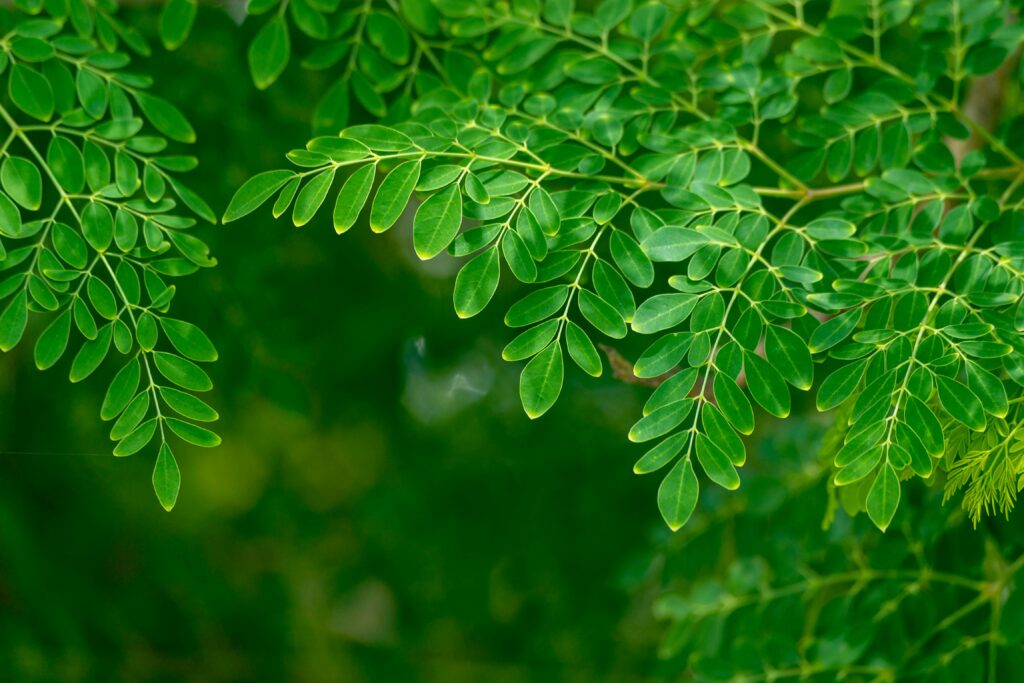
Also known as the “Miracle Tree,” Moringa is a fast-growing, drought-resistant tree belonging to the Moringaceae family. Native to the Himalayan foothills of northwestern India, it’s now widely cultivated in parts of Africa, Asia, and Latin America.
Moringa has been used for thousands of years in Ayurvedic and folk medicine to treat over 300 conditions, from digestive troubles to joint pain. Ancient civilisations also used it for water purification and as a source of nourishment during famines. Its pods, often referred to as “drumsticks,” remain a staple in the diet of many Indian households.
Every part of the plant—leaves, seeds, flowers, and bark—is nutrient-dense and beneficial to health.
Key Nutrients in Moringa:
- Vitamins A, C, and E
- B Vitamins (B1, B2, B3, B6, Folate)
- Minerals like Calcium, Iron, Magnesium, Zinc, and Potassium
- Protein and Fibre
Moringa leaves are typically dried and made into a powder that can be added to smoothies, tea, or even baked into dishes. It’s more than a trend—research proves that Moringa helps boost antioxidants in the body and supports your heart, liver, and metabolism. You can find Moringa in powder or tablet form. Many health-conscious folks blend it into smoothies or take it as a supplement
What is Spirulina?
Spirulina is a type of blue-green algae that naturally grows in freshwater lakes, ponds, and rivers, particularly in warm climates. It’s incredibly rich in nutrients, with approximately 60% of its weight consisting of pure protein.
That’s why it’s a favourite among athletes, vegans, and those seeking a natural energy boost. Spirulina has been used since ancient times, notably by the Aztecs, who harvested it from Lake Texcoco as a vital source of nutrition.
Nutritional Highlights:
- Lots of protein
- Minerals like Iron, Magnesium, and Potassium
- Phycocyanin, a potent antioxidant
- Vitamin B12 (though your body may not absorb it well from Spirulina)
You can find Spirulina in powder or tablet form. Many health-conscious folks blend it into smoothies or take it as a supplement. It’s known to help detox the body by binding with heavy metals and supporting liver function.
In addition, it boosts energy, reduces fatigue, and enhances immune defence. If you’re looking for something plant-based that nourishes your body and helps fight off daily stressors, Spirulina is worth considering.
You can find Spirulina in powder or tablet form, and it’s known for providing a quick energy boost and aiding in body detoxification.
Moringa vs Spirulina: The Nutrient Showdown
| Nutrient | Moringa (per 100g) | Spirulina (per 100g) |
| Protein | 27g | 60g |
| Vitamin A | 378 mcg | 29 mcg |
| Vitamin C | 220mg | 10mg |
| Calcium | 185mg | 120mg |
| Iron | 4mg | 28.5mg |
| Fiber | 34g | 3.6g |
Fun Fact #1: A renowned space agency once picked Spirulina as space food because it’s so nutrient-packed and easy to store.
Spirulina is a clear winner when it comes to protein and iron. However, Moringa surpasses it in vitamins A and C, fibre, and overall anti-inflammatory benefits.

The Health Benefits of Moringa
The Health Benefits of Moringa
1. Antioxidant Power
Moringa is rich in antioxidants, including quercetin and beta-carotene. These nutrients help combat oxidative stress in the body and reduce inflammation, which can contribute to the development of chronic diseases. They also protect cells from damage caused by free radicals, keeping your skin, heart, and immune system in better shape.
2. Balances Blood Sugar
Moringa helps keep your blood sugar stable and supports healthy insulin levels, great news for anyone monitoring their sugar levels. This makes it especially helpful for individuals with diabetes or those seeking to avoid energy crashes throughout the day. Studies suggest that regular intake may even help improve insulin sensitivity.
3. Heart Health
Because of its anti-inflammatory powers, Moringa can lower your risk of heart problems. It also helps manage cholesterol, which is a significant factor in cardiovascular disease. Some research suggests that Moringa may help reduce the buildup of plaque in arteries, thereby improving overall heart function.
4. Brain Boost
Need to focus better? Moringa supports memory, mental clarity, and overall brain function. It helps balance brain chemicals, such as serotonin and dopamine, which influence mood and focus. That makes it useful not just for students but for anyone needing sharper cognitive performance.
5. Better Digestion
With its fibre and natural antimicrobials, Moringa helps keep your gut healthy and prevents constipation. It promotes a smoother digestive process by supporting gut flora and reducing inflammation in the stomach lining. This can also improve nutrient absorption from other foods.
Fun Fact #2: Before antibiotics were invented, people used Moringa as a natural remedy to fight infections.
6. Helps with Weight Goals
By speeding up your metabolism and controlling cravings, Moringa supports healthy weight loss. It contains compounds that help regulate hormones related to hunger and fat storage. Adding Moringa to your routine may help you better manage your portions and energy levels.
7. Liver Detox
Moringa helps your liver clean out toxins from processed foods, medications, and pollution. A healthy liver plays a significant role in digestion, detoxification, and energy production. Moringa’s high antioxidant load helps protect liver cells from damage and encourages regeneration.
The Health Benefits of Spirulina
1. Protein Powerhouse
Spirulina is composed of approximately 60% complete protein, which means it contains all nine essential amino acids. This makes it an excellent option for vegetarians, vegans, and athletes who want to support muscle repair and growth. It’s a great natural alternative to protein powders.
2. Detoxifies the Body
Thanks to its chlorophyll content and unique proteins, Spirulina helps remove heavy metals and toxins from the body. It binds to these harmful substances and helps the liver eliminate them. That’s why many people use it as a detox aid.
3. Supports Immune Function
Rich in nutrients like iron, vitamin C, and phycocyanin, Spirulina helps strengthen your immune system. It boosts the production of white blood cells and antibodies that protect against infection. This makes it worthwhile for use during the cold and flu season or for general immune support.
4. Fights Inflammation
Spirulina contains powerful antioxidants that help reduce chronic inflammation in the body. Phycocyanin, its signature pigment, not only gives it its blue-green colour but also combats oxidative stress and supports healthy tissue function.
5. Energy and Endurance Boost
Looking for a natural energy lift? Spirulina enhances stamina and reduces fatigue by increasing oxygen use and improving red blood cell production. Many people take it before workouts or during busy days to stay mentally and physically alert.
6. Promotes Eye and Skin Health
Rich in beta-carotene, Spirulina supports eye health and protects skin cells from damage. It helps maintain skin elasticity and may even help with conditions like acne and dryness when taken consistently.
7. May Lower Cholesterol
Studies have shown that Spirulina may help reduce LDL (bad cholesterol) and triglyceride levels while increasing HDL (good cholesterol). That makes it a heart-friendly supplement when used as part of a balanced diet.
Summary: Moringa vs Spirulina Miracle in a Nutshell (or Leaf?)
Short on time? Here’s the quick version.
Spirulina boasts a range of impressive health benefits. It’s incredibly rich in protein—making up about 60% of its weight—which helps build and repair tissues, support muscle recovery, and keep you energised. It’s also packed with essential minerals like iron, magnesium, and potassium, which contribute to better oxygen flow, reduced fatigue, and proper nerve and muscle function. Add to that phycocyanin, a powerful antioxidant unique to Spirulina, and you’ve got a superfood that’s ready to fight inflammation and oxidative stress.
One of the standout advantages of Spirulina is its rapid effectiveness. Thanks to its highly absorbable nutrients, people often report feeling an energy lift shortly after taking it. It’s especially popular among athletes, vegans, and those dealing with iron deficiency. Additionally, early studies suggest that Spirulina may help reduce cholesterol levels, improve endurance, and support detoxification by binding to heavy metals in the body.
Want to try it out? Spirulina comes in powder and tablet form. Blend it into smoothies, mix it with juice, or take it as a supplement—whichever fits your lifestyle.
If you’re looking for sustained energy, strong immunity, and overall cellular health, Spirulina deserves a spot in your wellness routine. It’s nature’s protein-packed powerhouse that helps fuel your body and shield it from daily wear and tear.
.
But Moringa does more for your whole body. It’s packed with vitamins A, C, and E—good for your skin, immune system, and eyes. The fibre keeps your digestion on track and balances your blood sugar. It’s also supported by human studies that show it boosts antioxidant levels safely.
Want to try it? Add Moringa leaf powder to smoothies or tea. You can also go for Moringa capsules or Moringa tea. Best part? It’s safe for most people to use every day.
Whether you want better focus, more energy, or balanced health, Moringa has your back.
Fun Fact #3: Moringa trees are drought-resistant and are used to combat hunger in developing countries.

Conclusion: Why Moringa Might Be Your Health Hero
You don’t need to pick a side—Moringa and Spirulina both have their perks. But if you’re after a superfood that covers more bases, Moringa might be your go-to.
From helping regulate blood sugar and boost brain power to supporting your immune system, Moringa offers a range of full-body benefits. It’s a great choice if you’re looking to improve your overall health.
Of course, Spirulina remains a solid option, especially if you’re looking for plant-based protein or an energy boost. And hey, you can use both! A morning Moringa tea and a post-workout Spirulina smoothie are a brilliant combination.
If you’re serious about your health, consider doing some research or consulting a wellness expert. Superfoods like Moringa are potent tools, but knowing how to use them effectively makes all the difference.
Fun Fact #4: A few International organisations recommend Moringa to help fight malnutrition worldwide.
Q&A: Your Moringa vs Spirulina Curiosity Answered
Q1: Can I take Moringa every day?
Yes! Daily Moringa leaf powder is safe and boosts antioxidant levels without side effects.
It’s gentle on the stomach and works well even with long-term use. Just be consistent and start with small amounts to see how your body responds.
Q2: Will Moringa help me lose weight?
It can help by speeding up your metabolism and reducing hunger, especially with a balanced diet.
It also helps regulate blood sugar, resulting in fewer cravings and fewer energy crashes. Combine it with exercise for the best results.
Q3: How should I take Moringa?
Use Moringa powder, capsules, or tea. Start with ½ to 1 tsp and adjust based on how you feel.
You can stir it into smoothies, soups, or even sprinkle it over salads. If the taste is too strong, capsules are a great no-fuss option.
Q4: Is Moringa better than a multivitamin?
It doesn’t replace everything in a multivitamin but offers natural vitamins like A, C, E, and iron.
Because it’s plant-based, your body may absorb these nutrients more easily than synthetic ones. Plus, you’re getting fibre and antioxidants too!
Q5: Can I mix Moringa and Spirulina?
Yes! They work well together, don’t overdo it. Start small and listen to your body.
Many people take Moringa in the morning for overall wellness and Spirulina post-workout for energy and recovery. They make a great team!
#MoringaBenefits #SuperfoodsForHealth #HealthyLivingTips #MoringaVsSpirulina #NaturalWellness #GreenNutrition #SpirulinaPower #PlantBasedHealth #HerbalHealing #NutrientDenseFoods
Click here to learn more about Moringa Magic.
Disclaimer: This post about moringa vs spirulina may contain affiliate links, which means that I might earn a small commission (at no extra cost to you) if you decide to purchase through one of these links. I only recommend products that are already popular, which I believe will bring value to you. Thanks for the support!
Disclaimer: We do not aim to diagnose, treat, cure or prevent any illness or disease. Information is shared for educational purposes only, compiled from the information available in the public domain. You should always consult your doctor before acting on any content on this website, especially if you are pregnant, nursing, taking medication or have a medical condition.