
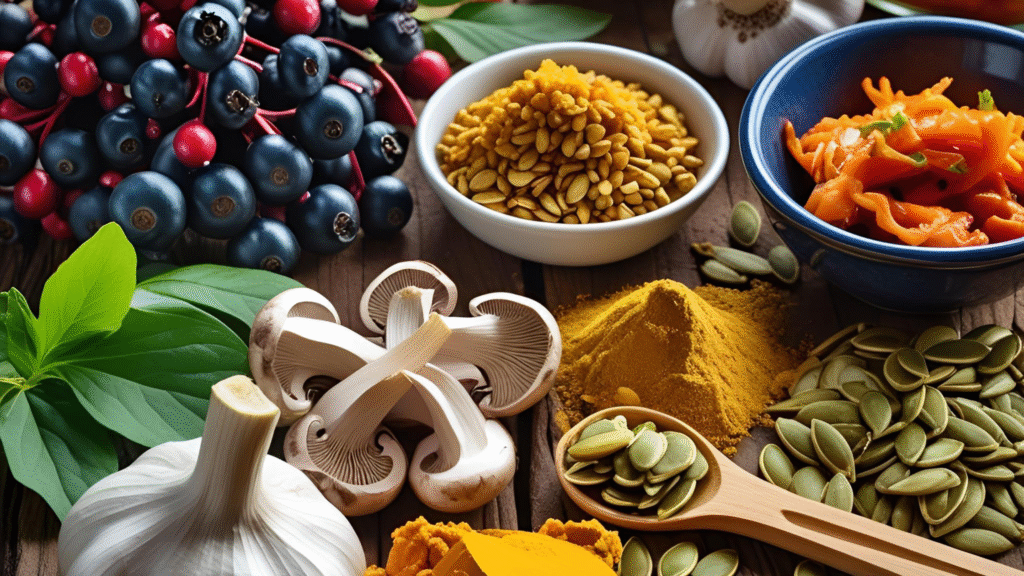
Introduction: Why Immune-Boosting Foods Deserve Your Attention?
Immune-Boosting Foods are far more than just trendy buzzwords—they’re powerful allies in your daily quest for better health. At the very beginning of your wellness journey, embracing these foods can be one of the most innovative and most sustainable decisions you make. In a world where viruses, environmental toxins, processed foods, and chronic stress lurk around every corner, giving your immune system a fighting chance isn’t optional—it’s essential. And it all starts with what’s on your plate.
While gym memberships, sleep trackers, and wellness apps are helpful, they’re only part of the puzzle. Behind every energetic morning, clear mind, and quick recovery is your body’s silent superhero—your immune system. But like any hero, it needs the right fuel and support to perform at its best—cue: Immune-Boosting Foods—your first line of natural defence.
We often hear about common choices like oranges and yoghurt, but the world of immune-boosting food nutrition is much bigger—and more exciting. Many underrated foods quietly deliver powerful immune-enhancing benefits that often go unnoticed. This blog reveals seven such secret agents—nutrient-rich, science-backed foods that can quietly revolutionise your health from the inside out.
These foods do more than fight infections. They help manage inflammation, enhance gut microbiome health, and neutralise harmful free radicals that accelerate ageing. The goal isn’t a complete dietary overhaul—it’s about simple, strategic upgrades. A sprinkle here, a swap there—changes that feel doable and taste amazing.
So whether you’re a wellness warrior, a busy parent, or someone just curious about building lasting vitality, stick around. You’re about to meet the real MVPs of your pantry, and they might change how you think about food forever.
Why Eating Immune-Boosting Foods Is Crucial for Your Health
Your immune system is a busy, behind-the-scenes worker, constantly defending your body against harmful invaders such as viruses, bacteria, and environmental pollutants. It’s a silent protector that functions 24/7—but it’s not invincible. Factors such as chronic stress, inadequate sleep, exposure to toxins, dehydration, and—most importantly—poor nutrition can all weaken this delicate defence network, leaving you vulnerable to frequent colds, fatigue, allergies, and even more serious illnesses.
This is where Immune-Boosting Foods come in—not as trendy superfoods, but as scientifically backed nutritional powerhouses that strengthen your body’s resilience from the inside out. These foods supply your system with:
- Essential vitamins, such as C, D, and A, play crucial roles in antibody production, immune cell activation, and maintaining the integrity of the barrier.
- Powerful antioxidants that neutralise free radicals and reduce inflammation, one of the leading causes of immune dysfunction.
- Minerals such as zinc and magnesium are essential for the development and proper functioning of immune cells.
- Phytochemicals are the bioactive compounds in plants that have antiviral, antibacterial, and immune-enhancing effects.
By regularly including these immune-boosting foods in your diet, you’re not just eating for energy—you’re fueling your defence system. Unlike medications, these foods don’t just treat symptoms; they work preventively, keeping your immune system alert and ready. Think of them as your body’s daily natural supplement, supporting long-term health in the most delicious way possible.
7 Hidden Immune-Boosting Foods That Pack a Punch
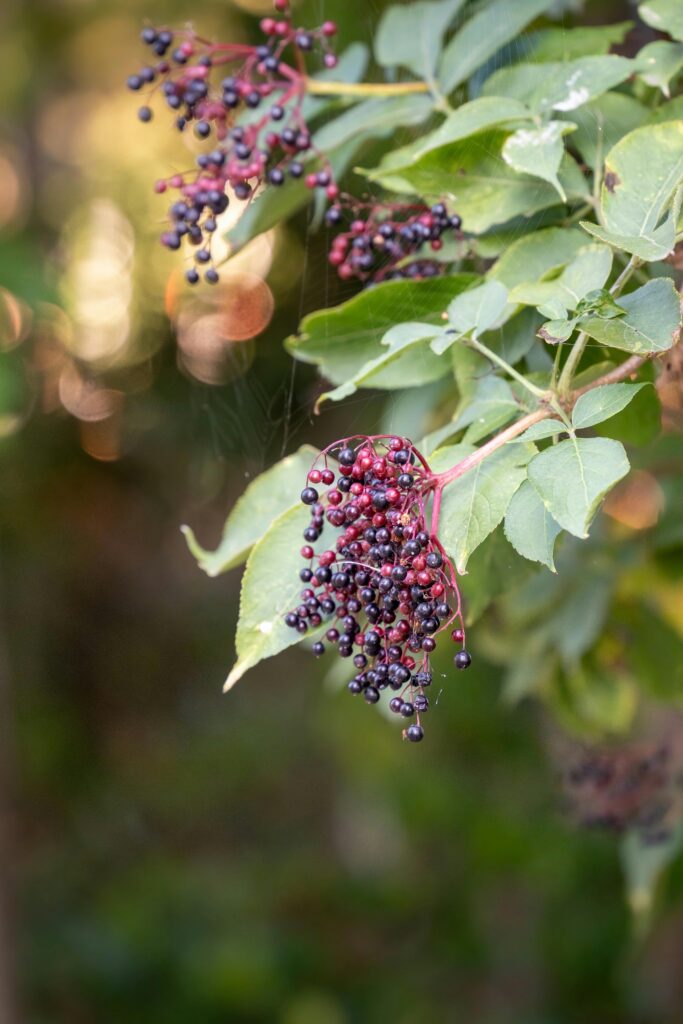
1. Elderberries – Nature’s Cold & Flu Warrior
Rich in vitamin C, flavonoids, and anthocyanins, elderberries are small but mighty fruits known for their ability to reduce inflammation and fight off viral infections. Studies suggest elderberry extract can help shorten the duration and severity of cold and flu symptoms. They’re invaluable during seasonal changes when immunity tends to dip. Regular use can also support respiratory health.
How to enjoy it:
- Add elderberry syrup to your smoothie
- Stir into herbal teas during flu season.
Fun Fact: Elderberries have been used in folk medicine for centuries, by both the Ancient Egyptians and Native Americans! The Egyptians utilised these immune-boosting foods for healing burns and enhancing their complexion, while Native Americans brewed them into medicinal teas to combat fever and infection.
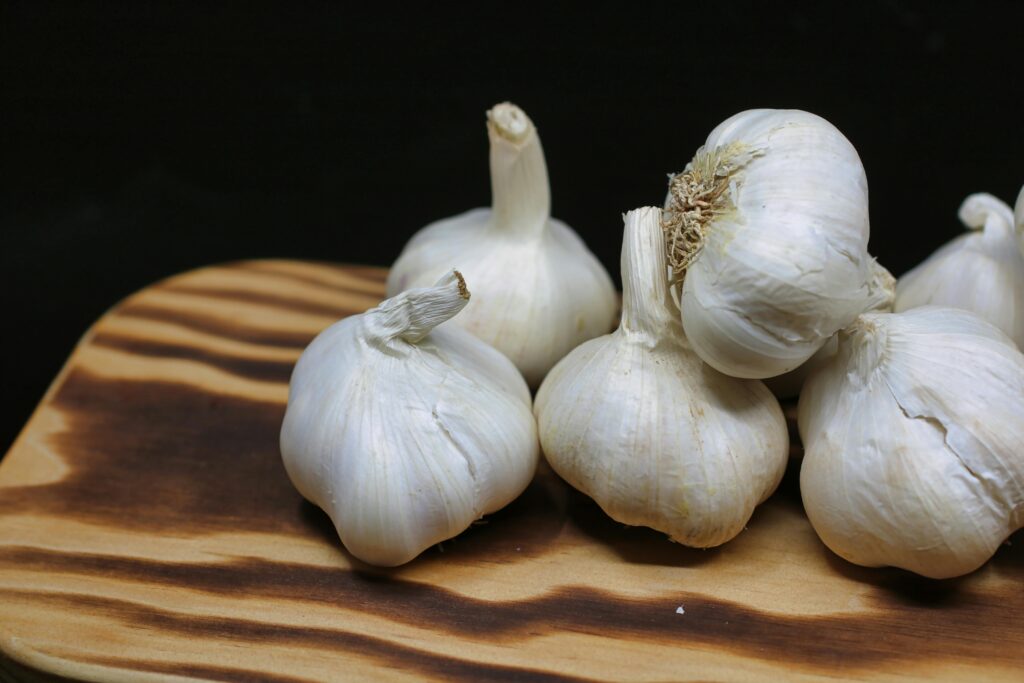
2. Garlic – The Natural Antiviral Wonder
Loaded with allicin, garlic is a centuries-old immune remedy praised for its antimicrobial power. It activates immune cells, such as macrophages and T-cells, helping your body detect and destroy harmful pathogens. Regular garlic consumption has been linked to lower blood pressure and improved heart health, making it a double win for immunity and vitality. Its antiviral properties are especially beneficial during flu outbreaks.
How to enjoy it:
- Eat a clove of raw garlic daily (if you’re brave!)
- Add crushed garlic to soups, sauces, or salad dressings for added flavour.
Fun Fact: In ancient Greece, athletes were fed garlic to enhance their strength and endurance. It was considered a performance enhancer long before energy drinks became popular.
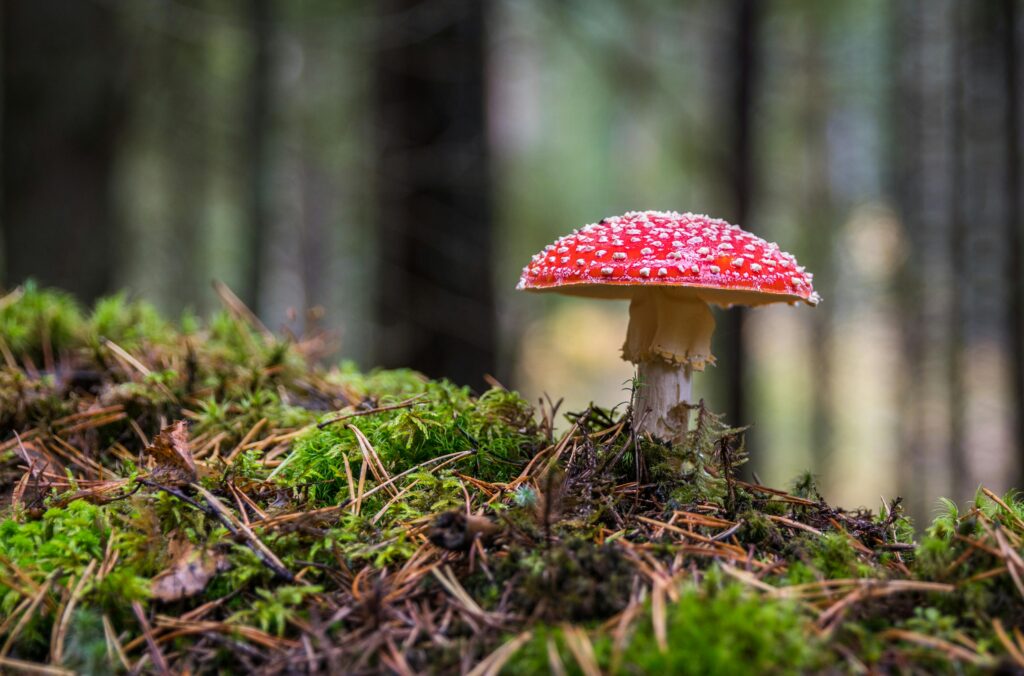
3. Medicinal Mushrooms – Nature’s Immune Modulators
Varieties like reishi, shiitake, and chaga are full of beta-glucans, compounds that help modulate immune responses and strengthen cellular defence mechanisms. These mushrooms stimulate the activity of natural killer cells and macrophages, which are essential in the body’s defence against pathogens. They’re also adaptogens—helping your body handle stress, which is a known immunity killer.
How to enjoy it:
- Add dried medicinal mushrooms to broths
- Take as a daily mushroom powder supplement, as advised by a healthcare professional.
Fun Fact: Reishi is known as the “mushroom of immortality” in Chinese medicine. For over 2,000 years, it’s been prized for promoting longevity, vitality, and inner calm, often reserved for emperors and nobility.
4. Propolis – The Bee’s Secret Weapon
Propolis, a sticky resin collected by bees from tree buds and plant sources, is packed with over 300 bioactive compounds—including flavonoids, phenolics, and essential oils. This immune-boosting food supports your immune health by enhancing the activity of white blood cells, fighting harmful microbes, and reducing inflammation. It’s especially beneficial for sore throats, respiratory conditions, and oral health. Known for its antimicrobial, antiviral, and antifungal properties, it acts as a natural shield in your wellness toolkit. Propolis may also promote wound healing, soothe digestive issues, and support skin health when used topically.
Safe for most people when used in moderation—always patch-test for allergies first.
Use a propolis tincture—just a few drops in warm water, tea, or honey.
Also available in capsule, lozenge, spray, and ointment forms for internal and topical use.
Fun Fact: Bees use propolis to seal cracks in their hive and keep it sterile, making it one of nature’s most effective natural disinfectants. The hive’s internal temperature is also stabilised by this resin, protecting it from bacterial invasion.
5. Pumpkin Seeds – Zinc-Rich Immune Fuel
Often overlooked, pumpkin seeds are rich in zinc, a nutrient that plays a crucial role in immune cell production and wound healing. They also offer magnesium, iron, and plant-based protein, supporting everything from sleep to muscle recovery. Zinc helps the body create and activate T-cells, your immune system’s front-line fighters. Including these crunchy seeds in your diet regularly helps improve overall resilience to illness.
How to enjoy it:
- Toss roasted seeds into salads
- Blend into smoothies or sprinkle on yoghurt.
Tip: Toast lightly with olive oil and sea salt for a savoury, immune-boosting snack.
6. Turmeric – The Golden Anti-Inflammatory Food
Turmeric is famed for its golden colour and its active compound curcumin, a powerful antioxidant that supports immune balance and reduces oxidative stress. Curcumin helps regulate inflammation by blocking NF-kB, a molecule that activates inflammatory responses. It’s beneficial for joint health, brain function, and the control of chronic inflammation. This immune-boosting food is best consumed with black pepper, which significantly increases curcumin absorption.
How to enjoy it:
- Make golden milk with turmeric and black pepper
- Add to curries or mix with honey and ginger.
Fun Fact: Black pepper enhances the absorption of curcumin by up to 2000%. Without it, your turmeric latte might be more trendy than therapeutic!
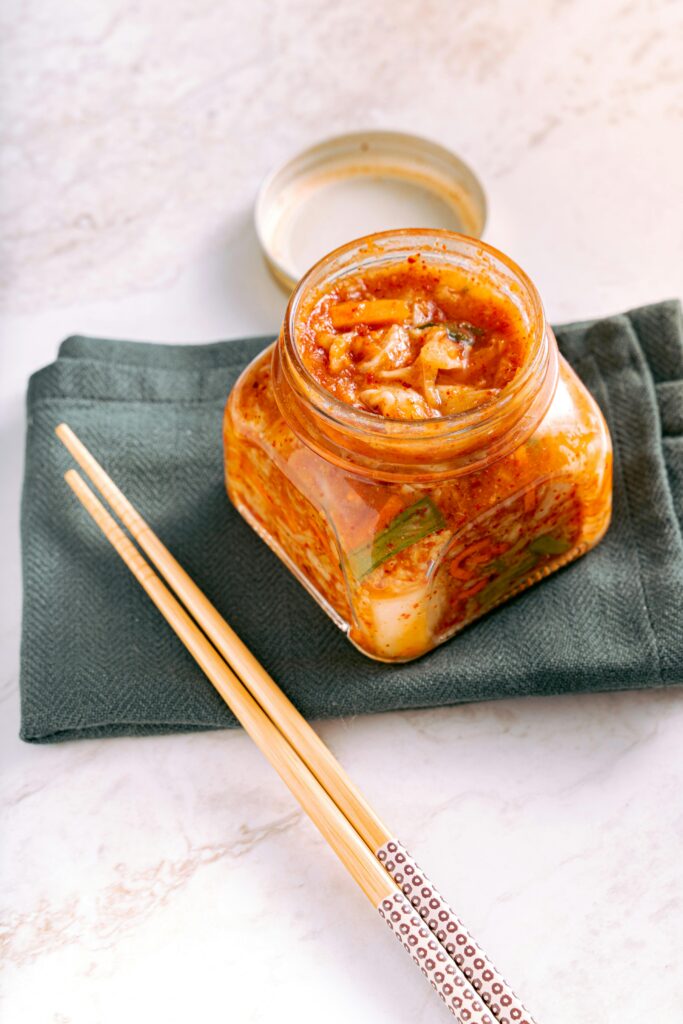
7. Kimchi – Fermented Immunity Enhancer
Kimchi is a traditional Korean dish made from fermented vegetables, often cabbage and radish, rich in lactic acid bacteria and antioxidants. It helps maintain gut flora balance, which directly influences immune function since over 70% of your immune system resides in your gut. Kimchi also supports digestion and nutrient absorption, making it a multipurpose superfood.
How to enjoy it:
- Add a spoonful to rice bowls or wraps
- Eat as a flavorful side dish with meals.
Fun Fact: Over 100 different beneficial bacteria have been identified in kimchi, making it one of the most diverse probiotic foods available—and far tastier than a capsule!
How to Easily Add These Immune-Boosting Foods to Your Daily Diet
- Blend elderberry syrup into your breakfast smoothie.
It adds a subtle berry flavour while infusing your drink with antioxidants and vitamin C.
Use it especially during colder months to give your morning a preventive immune kick. - Add garlic and mushrooms to your stir-fries.
Garlic enhances flavour and fights inflammation, while mushrooms support immune cell function.
Sauté them together in olive oil for a double dose of natural immunity support. - Sip reishi tea in the evenings.
Reishi helps regulate stress hormones and promotes restful sleep, which is key to maintaining immune health.
Brew with hot water for 10–15 minutes and enjoy as a calming bedtime ritual. - Snack on pumpkin seeds during work breaks
A handful delivers essential zinc, magnesium, and healthy fats to recharge your system.
Roast them with a pinch of sea salt or mix them into a homemade trail mix. - Sprinkle turmeric into soups or your morning eggs.
Turmeric enhances immune resilience and combats chronic inflammation from within.
Combine with a dash of black pepper for enhanced absorption of curcumin. - Keep a jar of kimchi ready as a side dish.
Just a spoonful adds probiotics and gut-loving fibre to any meal.
Pair it with rice, eggs, or wraps to make even bland meals zing with flavour and health. - Take a few drops of propolis with warm water daily.
A great way to start your day with immune-boosting antioxidants and antibacterial protection.
It’s beneficial during seasonal transitions or when you’re feeling run-down.
Summary: 7 Hidden Immune-Boosting Foods
In today’s environment, where stress, pollution, and poor nutrition are everyday, your immune system needs all the support it can get. The seven Immune-Boosting Foods discussed in this blog aren’t just for people fighting a cold—they’re essential for anyone looking to maintain long-term, resilient health.
Elderberries are rich in antioxidants and help fight off viruses while easing cold symptoms. Garlic acts as a natural antibiotic and antimicrobial agent. Medicinal mushrooms, such as reishi and shiitake, support the immune system at the cellular level, helping balance and regulate immune response. Propolis, a resin produced by bees, is packed with bioactive compounds that help protect against viruses, bacteria, and inflammation. Pumpkin seeds are rich in zinc and magnesium, two minerals essential for immune cell function. Turmeric, thanks to its curcumin content, reduces oxidative stress and chronic inflammation. And kimchi, a fermented superfood, boosts gut health—a key pillar of immune defence.
Integrating these foods into your lifestyle is easier than you might think. Add garlic and turmeric to your cooking. Enjoy elderberry tea during colder months. Toss pumpkin seeds into salads or smoothies, and try including kimchi as a flavorful side dish. These are not drastic overhauls but minor, sustainable upgrades to your diet.
Beyond nutrition, immune health thrives on a holistic lifestyle. Daily moderate exercise—such as walking, cycling, or yoga—enhances circulation and facilitates the efficient movement of immune cells throughout the body. Sleep is another non-negotiable: aim for 7–9 hours nightly to allow your body time to repair and regulate. Deep breathing exercises, meditation, and journaling are excellent tools for managing stress, which, if chronic, can significantly suppress the immune system.
Also, prioritise hydration—water flushes out toxins and keeps your mucosal linings (like your nasal passages) moist, which is essential for blocking pathogens. Regular sun exposure or vitamin D supplements help enhance immune cell function. Creating a simple morning or evening routine—like stretching, hydrating, and planning balanced meals—can help you stay consistent with your wellness goals.
For those beginning their health journey, consulting a healthcare professional or nutritionist can be incredibly helpful. They may suggest personalised supplement support or blood tests to address any deficiencies. These seven foods form a robust foundation, but what you build on top—through mindful living, movement, and rest—is what will truly fortify your immune system for the long run.
Q&A: What People Ask About Immune-Boosting Foods
Q1: Can immune-boosting foods prevent illness completely?
Not entirely, but they significantly reduce the risk and help you recover faster. These foods strengthen your immune defences, making it harder for viruses and bacteria to take hold. While no diet offers 100% protection, consistently eating immune-boosting foods builds long-term resistance to common infections.
They act as your body’s daily shield, lowering the chances of falling sick.
Q2: Is it safe to eat these immune-boosting foods every day?
Most are safe for regular consumption, but it is always recommended to consult your doctor if you have allergies or underlying medical conditions. Foods like garlic and turmeric are safe in moderate amounts but may interfere with certain medications. Listening to your body and seeking professional advice ensures safe and effective results.
Rotating foods and using variety helps prevent over-dependence and keeps meals enjoyable.
Q3: Are supplements better than whole foods?
Whole foods provide a complex mix of nutrients. Supplements can help fill gaps, but shouldn’t replace real food. Natural sources offer better absorption and additional compounds, such as fibre, enzymes, and phytonutrients. If supplements are needed, they should complement—not replace—nutrient-dense meals.
Think of supplements as support players, not the stars of your nutrition plan.
Q4: Can kids eat these immune-boosting foods too?
Yes—foods like garlic, yoghurt (instead of kimchi), and pumpkin seeds are great for children. You can introduce these in small, kid-friendly portions, such as garlic mashed potatoes or yoghurt smoothies. Always check with a paediatrician before introducing anything new, powerful herbs or fermented foods.
Making them fun and tasty is key to building lifelong healthy habits in kids.
Q5: How soon will I see results after adding these to my diet?
With consistency, benefits may be noticeable within a few weeks, including improved energy and a reduction in colds. Immune systems don’t change overnight, but regular intake of nutrient-rich foods supports gradual, long-term resilience. Paired with good sleep and hydration, you’ll likely feel stronger and more alert over time.
Stick with it—immunity builds slowly but surely with daily nourishment.
Q6: What are some simple lifestyle habits that boost immunity?
Regular movement, quality sleep, hydration, and stress management play a huge role. Even a daily 20-minute walk, breathing exercises, and staying connected with loved ones can lift both your mood and your immune system.
Combine these habits with nutrient-rich foods for full-spectrum wellness.
#ImmuneBoostingFoods #NaturalImmunity #HealthyLiving #EatWellFeelWell #WellnessTips #HolisticHealth #NutritionMatters #SuperfoodsDaily #GutHealth #BoostYourImmunity
Click here to explore nervous health boosters…..
Disclaimer: This post about immune-boosting foods may contain affiliate links, which means that I might earn a small commission (at no extra cost to you) if you decide to purchase through one of these links. I only recommend products that are already popular, which I believe will bring value to you. Thanks for the support!
Disclaimer: We do not aim to diagnose, treat, cure or prevent any illness or disease. Information is shared for educational purposes only, compiled from the information available in the public domain. You should always consult your doctor before acting on any content on this website, especially if you are pregnant, nursing, taking medication or have a medical condition.