
Introduction: Key steps to lose belly fat
Want to know the smart and healthy way to lose belly fat and feel better inside and out? If you’ve ever looked in the mirror and wondered why the weight around your midsection seems the hardest to budge, you’re not alone. Belly fat is one of the most stubborn and unhealthy types of fat our bodies store. And unfortunately, it’s also the most dangerous.
Visceral fat—the fat stored deep within your belly—not only affects how your clothes fit but also increases your risk for serious health issues like type 2 diabetes, heart disease, and hormonal imbalances.
But don’t worry, there’s good news: with the proper diet, tailored to your body and lifestyle, you can lose belly fat faster than you think, without crash diets or magic pills.
This blog will walk you through what causes belly fat, clear up the myths around it, and then dive into seven powerful, evidence-backed diet tips that help. Plus, you’ll get a bonus section filled with fun facts (like how chilli peppers may spike fat burn) and a fast-read summary for when you’re in a rush.
Prevention is often more effective—and certainly less stressful—than trying to cure the effects of excess weight later in life. Establishing healthy habits now can help you avoid more difficult interventions down the road. Instead of getting bogged down by frustration or guilt, accept where you are today and take that first small step forward.
Progress doesn’t require perfection—it requires consistency. And with every healthy choice you make, you’re not just shrinking your waistline; you’re gaining energy, confidence, and control.
Learning to accept your current body doesn’t mean giving up—it means acknowledging your worth while working toward better health. Learning how to lose belly fat is a journey, not a punishment. It’s about doing something good for yourself, one bite, one sip, and one step at a time.
So grab your water bottle (hydration helps too!), and let’s get started on your path to a flatter, healthier tummy.
Fun Fact: Apple Cider Vinegar Before Meals: Consuming a tablespoon of apple cider vinegar before meals may help reduce belly fat. It can help lower blood sugar levels and improve digestion. Always dilute it with water and avoid drinking it straight to protect your teeth and throat.
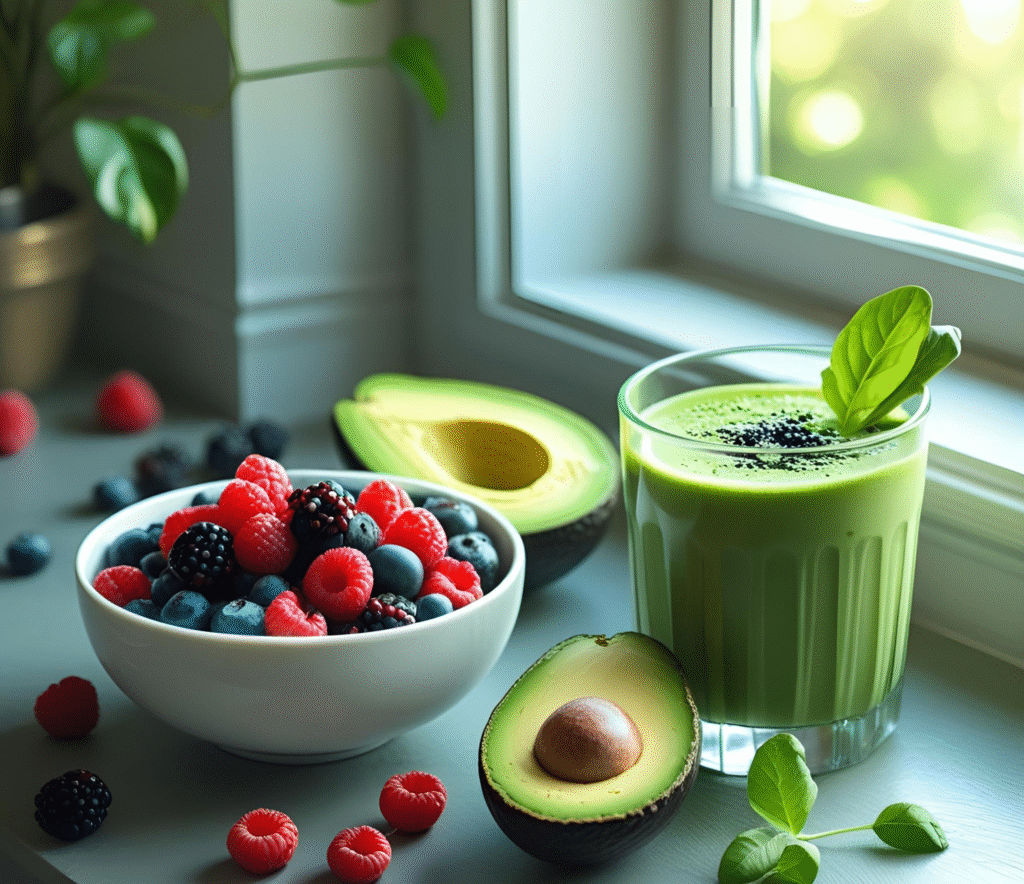
Why Belly Fat Accumulates, What We Know So Far
Several factors contribute to the buildup of abdominal fat:
- Poor Diet Choices: Consuming excessive amounts of sugary foods, processed carbohydrates, and unhealthy fats can lead to the storage of fat. These foods spike insulin levels, promoting fat storage, especially around the belly. Over time, they also increase cravings, creating a cycle of overeating.
- Sedentary Lifestyle: A lack of physical activity slows down the metabolism. When you sit for long periods, your body burns fewer calories, and fat accumulates faster. Regular movement keeps your metabolic engine running efficiently.
- Stress and Cortisol: High stress levels increase cortisol, which encourages fat storage around the abdomen. Cortisol makes your body crave high-fat and sugary foods. Chronic stress also disrupts sleep, which in turn further affects metabolism.
- Hormonal Changes: Particularly in women during menopause. Estrogen levels drop, and fat tends to shift from the hips to the midsection. Hormonal imbalances can also reduce muscle mass, making it even harder to lose fat.
- Genetics: Some people naturally store more fat in the abdomen. Your genetic makeup can influence how and where your body stores fat. However, even with genetics at play, lifestyle choices can significantly reduce belly fat.
Fun Fact: Did you know belly fat is more metabolically active than other body fat? That means it affects your health more quickly, but it also means targeted changes can reduce it more quickly, too.
Fun Fact: Spicy Foods Spike Metabolism: Consuming spicy foods, such as chilli peppers, can temporarily increase metabolism. Capsaicin, the compound in chilli, boosts fat oxidation for a short time. This mini metabolism boost may support overall calorie burn when paired with a healthy diet.
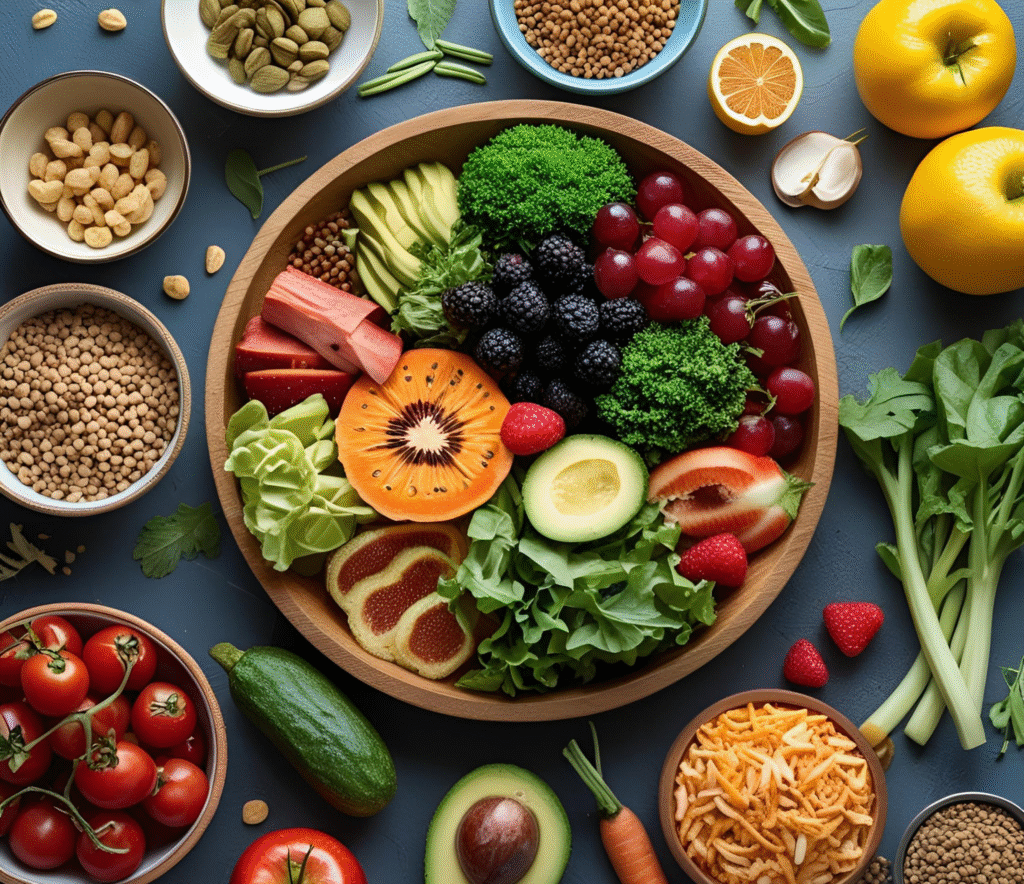
Common Myths About Belly Fat
Let’s bust a few myths before we go any further:
- Myth #1: Spot Reduction Works
You can’t just do crunches and expect a flat belly. Fat loss happens all over.
Your body decides where it burns fat first based on your genetics. A comprehensive approach to fitness and diet is much more effective. - Myth #2: Fat-Free Foods Help
Many low-fat or fat-free foods are often packed with added sugar and artificial additives.
These additives can lead to increased cravings and blood sugar spikes, making it even harder to lose belly fat. - Myth #3: Weight Once Gained Is Permanent
A proper exercise regimen and a diet schedule can help you lose weight gradually.
Your metabolism is adaptable—it may take time, but with consistency, long-held weight can be shed effectively. - Myth #4: You Have to Starve Yourself
Deprivation backfires. Sustainable change is the real key.
Severe calorie cuts often lead to bingeing later. Balanced, satisfying meals are more effective for long-term fat loss.
Fun Fact: A 2013 study found that individuals who believed in weight-loss myths often regained weight more quickly than those who did not. Knowledge is power!

How Diet Control Helps, And It Really Does
Calorie counting may sound boring, but it’s one of the most powerful tools in your fat-loss toolbox. Knowing what and how much you eat builds awareness and gives you control over your body.
Here’s how dietary control contributes to fat loss:
- Calories In vs. Out
Burning more than you consume leads to weight loss.
Creating a consistent calorie deficit trains your body to utilise stored fat as an energy source. Even a small daily deficit can lead to significant changes over time. - Macronutrient Balance
Protein, carbs, and fats must be balanced for sustained energy.
Eating the right proportions helps regulate blood sugar and prevent cravings. A higher protein intake can also preserve muscle mass during fat loss. - Meal Timing
Eating your largest meals earlier in the day can help boost your metabolism.
Front-loading calories supports energy levels and reduces late-night snacking. Studies suggest earlier eating aligns better with your natural circadian rhythm. - Food Quality Over Quantity
Nutrient-dense foods fuel fat loss more effectively than processed options.
Whole foods, such as vegetables, legumes, and lean proteins, keep you fuller for longer and nourish your body without excess calories. - Portion Control
Learning to manage portion sizes helps avoid overeating.
Using smaller plates or mindful eating strategies can prevent mindless snacking and make meals more satisfying.
Fun Fact: Laughter Lowers Cortisol: Laughter reduces cortisol levels. Yes—laughing helps burn belly fat! Stress is a major driver of belly fat, so giggles are more than just fun—they’re functional. Try watching a funny video or chatting with a friend to get your daily dose of laughter.
Pro Tip: Pair your meals with green tea, which has been shown to improve fat oxidation. The catechins in green tea also aid digestion and naturally boost metabolism.

Seven Healthy Diet Tips For You That Work
Let’s dig into the star of this post: seven healthy, actionable diet tips to help you lose belly fat fast.
Load Up on High-Fibre Foods
Soluble fibre keeps you full and reduces appetite. Try chia seeds, flaxseeds, lentils, avocados, and black beans. Fibre slows digestion and stabilises blood sugar levels, helping to reduce fat storage. Aim for at least 25–30 grams of fibre daily for optimal results. High-fibre diets are also linked to reduced risk of heart disease and better bowel health. Try including a portion of fibre in every meal to maintain satiety throughout the day. Sprinkle flaxseeds into your smoothies or top your oatmeal with berries for a quick and easy start.
Add Protein to Every Meal
Protein boosts metabolism and reduces cravings—excellent sources: eggs, Greek yoghurt, chicken breast, tofu, and quinoa. Protein also helps build and preserve lean muscle, which burns more calories at rest. It’s especially helpful in preventing overeating later in the day. Eating enough protein also supports the health of your skin and hair. Try to include 20–30 grams of protein in each main meal. Protein shakes or hard-boiled eggs are great on-the-go options.
Choose Anti-Inflammatory Foods
Chronic inflammation = stubborn belly fat. Include turmeric, berries, green leafy vegetables, and fatty fish. These foods support hormone balance and reduce water retention. They may also lower the risk of chronic disease while improving your mood. An anti-inflammatory diet is also beneficial for joint health and clearer skin. Use turmeric in soups or smoothies and snack on a handful of walnuts. Omega-3-rich fish like salmon are a belly fat-fighting superstar.
Try Intermittent Fasting
Eating within a window (such as a 16:8 schedule) promotes fat burning. However, start slowly and consult a doctor if you have any underlying health issues. Fasting can improve insulin sensitivity and trigger natural fat burning. Intermittent fasting enhances mental clarity and improves sleep. Begin with a 12-hour fast overnight and work your way up. During mealtime, focus on high-quality, whole foods.
Cut Down on Refined Carbs
Swap white bread and sugar with whole grains, sweet potatoes, and oats. Refined carbs spike insulin and promote belly fat storage. Whole carbs provide fibre, slow energy release, and more prolonged satiety. Always read food labels to avoid hidden sugars and refined flours. Switching to complex carbs helps keep blood sugar levels stable. Try baking with oat flour or snacking on roasted chickpeas. Reducing refined carbs can also improve energy and focus.
Eat Fermented Foods for Gut Health
A healthy gut = better metabolism. Include kimchi, yogurt, kombucha, or sauerkraut. These promote healthy bacteria that improve digestion and fat absorption. A robust gut microbiome also helps reduce inflammation and sugar cravings. A balanced gut may also support mental wellness and immune response. Rotate fermented foods to introduce a diverse range of probiotics. Start slow if you’re new to fermented foods to avoid bloating.
Stay Hydrated
Sometimes thirst feels like hunger. Drink at least 8–10 glasses of water daily. Add lemon or mint for flavour. Water helps flush toxins and supports every metabolic process. Try drinking a glass before meals—it can help you eat less. Being hydrated also aids digestion, improves skin, and reduces fatigue. Cold water may even give a slight metabolic boost as your body works to warm it up. Carry a reusable water bottle as a reminder to sip throughout the day.
Fun Fact: Drinking cold water may temporarily increase your metabolism and help you lose belly fat more quickly. Your body uses energy to warm it up!

Precautions Before Starting a New Diet Programme to Melt Belly Fat
Before making drastic changes:
- Consult a healthcare professional, especially if you have a medical condition.
A doctor or registered dietitian can guide you with safe, personalised advice. They’ll also help monitor progress and adjust your plan if needed. - Know Your Allergies and Intolerances: Avoid reactions.
Food sensitivities can cause bloating, inflammation, or even weight gain. Always read labels carefully and opt for whole foods you tolerate well. - Don’t Skip Meals: Balanced meals are better than skipping entirely. Skipping meals can slow your metabolism and lead to overeating later. Aim for consistent energy by eating small, nutritious meals throughout the day.
- Take it Slow: Gradual changes are more sustainable.
Sudden, restrictive diets often lead to burnout or nutrient deficiencies. Start by making one or two changes each week for long-term success. - Recommended Supplements: Consider multivitamins, omega-3 fatty acids, and probiotics after consulting with a healthcare professional. Supplements fill nutritional gaps and support digestion, immunity, and fat metabolism. Always choose high-quality brands and consult a professional before undertaking any new project.
Fun Fact: Chewing More, Eating Less: People who chew more eat less. Simple but effective. Chewing thoroughly helps your brain register fullness more accurately. It also improves digestion and may prevent overeating at mealtimes.
Quick Q&A: Your Doubts Answered In Advance
Q1. Can I lose belly fat without exercise?
Yes, but combining a healthy diet with light activity speeds up results. Movement helps create a larger calorie deficit and improves digestion. Even a brisk walk or stretching routine can help. That said, exercise also boosts mood and motivation—great bonuses on your journey.
Q2. What’s the worst food for belly fat?
Sugary drinks like soda. They spike insulin and encourage fat storage. Liquid calories are sneaky—they don’t fill you up, but they still count. Soda, energy drinks, and even some juices are loaded with hidden sugars. Cutting these out can lead to a noticeable difference in just weeks.
Q3. Do certain body types store more belly fat?
Yes. Apple-shaped bodies are more prone to it. Genetics influence fat distribution, but lifestyle still plays a huge role. Belly fat also tends to accumulate more with age due to muscle loss and hormonal changes. Knowing your body type helps tailor your fat-loss strategy.
Q4. Is it okay to skip breakfast?
If intermittent fasting suits you, yes. Otherwise, eat a high-protein breakfast. Some people feel more energetic and less hungry by delaying breakfast. However, if you feel sluggish or overeat later, a balanced morning meal may be a better option. Find what works best for your routine and metabolism.
Q5. Will drinking lemon water burn belly fat?
Not directly, but it aids digestion and keeps you hydrated. Lemon water supports liver detox, which may improve fat metabolism. It also reduces bloating and encourages you to drink more water overall. Just don’t expect it to melt fat magically—it’s a helpful assistant, not a miracle.

Detailed Summary: How to lose belly fat
If you’re too busy to read the full post, here’s the essence with some added insights:
- Belly fat is both harmful and stubborn, but it is not impossible to lose.
It’s linked to severe conditions like heart disease and insulin resistance.
Stubborn doesn’t mean permanent—healthy strategies truly work with time.
It all starts with small, consistent choices in food and lifestyle. - Avoid quick-fix diets and detox fads—they don’t work.
Fad diets often result in water loss, not fat loss.
Worse, they can slow your metabolism and increase cravings.
Long-term results come from long-term changes. - Focus on real, wholesome foods:
Nutrient-dense foods support your metabolism and overall health. Whole foods give your body what it needs to function efficiently. They also help reduce hunger naturally and keep you satisfied longer. - High-fibre foods help you feel full and eat less.
Fibre slows digestion and helps control blood sugar. This means fewer cravings and better portion control. Aim to add a variety of plant-based fibre sources to each meal. - Proteins increase metabolism and reduce cravings.
Your body works harder to digest protein, which burns more calories. Protein also helps preserve lean muscle during weight loss. It’s essential for recovery, energy, and maintaining a feeling of fullness. - Anti-inflammatory foods calm the body and improve fat loss.
Inflammation is often associated with stubborn fat, particularly around the abdomen. Include turmeric, leafy greens, nuts, and foods rich in omega-3 fatty acids. They also support mental health and immune function. - Refined carbs and sugar are your worst enemies.
They spike insulin levels, promoting fat storage, particularly in the abdominal area. These foods often cause energy crashes and lead to overeating. Choose whole-grain alternatives and carefully monitor labels. - Fermented foods help balance gut bacteria, which in turn affects fat storage.
Your gut influences digestion, appetite, and even mood. Probiotics help your body absorb nutrients and fight inflammation. Examples include yogurt, kimchi, and sauerkraut. - Hydration supports all bodily functions and helps reduce feelings of hunger.
Thirst often disguises itself as hunger, leading to unnecessary snacking. Water helps detoxify the body and improve fat metabolism. Add lemon or mint for flavour and extra health benefits. - Try intermittent fasting if it fits your lifestyle.
Fasting isn’t about starving—it’s about eating within a set window. It can improve insulin sensitivity and reduce belly fat over time. Just start slow and stay hydrated. - Always check with a healthcare provider before starting a new diet.
Everyone’s body is different, and underlying conditions play a significant role. Professional guidance helps avoid deficiencies and health risks. Especially important if you take medications or have chronic issues. - How to lose belly fat isn’t just a cosmetic issue—it’s a health risk.
It’s linked to several metabolic syndromes and hormonal disruptions. Losing it improves both physical and emotional well-being. This journey is an act of self-care, not vanity. - Don’t chase perfection. Aim for progress.
Minor, daily improvements are more potent than short-term sprints. Give yourself grace, celebrate wins, and stay the course. Consistency is your most effective tool for achieving lasting fat loss.
Conclusion
Losing belly fat isn’t just about looking better—it’s about being healthier, feeling lighter, and living longer. As we’ve seen, the real magic lies not in shortcuts but in sustainable, science-backed changes to your daily eating habits.
By understanding the root causes of fat accumulation and ditching the myths, you’re already ahead of the curve. The 7 diet tips shared above aren’t fads—they’re flexible, practical strategies that can be adjusted to suit your goals, lifestyle, and food preferences. Whether you’re loading up on fibre, sipping green tea, or cutting out processed carbs, each small decision stacks up to significant changes over time.
Don’t be discouraged by slow progress. Belly fat can be challenging to lose, but your body will thank you for every positive change you make. Stay consistent, track what works, and tweak where needed. Consider using helpful tools to lose belly fat or even seeking expert guidance to refine your results.
Want to go even deeper? Research topics like metabolic flexibility, mindful eating, or the role of gut microbiota in fat loss. They’re fascinating—and practical too.
Remember: You’ve got this. Eat well, stay curious, and enjoy the journey to a healthier, happier you.
#LoseBellyFat #HealthyEating #FatLossJourney #BellyFatBurn #NutritionTips #DietForFatLoss #HealthyGut #MetabolismBoost #EatToLoseFat #FlatBellyFood
Click here to learn more about ways to burn calories and melt fat.
Disclaimer: This post about losing belly fat may contain affiliate links, which means that I might earn a small commission (at no extra cost to you) if you decide to purchase through one of these links. I only recommend products that are already popular, which I believe will bring value to you. Thanks for the support!
Disclaimer: We do not aim to diagnose, treat, cure or prevent any illness or disease. Information is shared for educational purposes only, compiled from the information available in the public domain. You should always consult your doctor before acting on any content on this website, especially if you are pregnant, nursing, taking medication or have a medical condition.